
Cold chain food distribution is a temperature-controlled management system for perishable food products. It starts at production and continues until the product reaches the consumer. The cold chain keeps food cold or frozen from the first mile of transport to the final destination, preventing bacterial growth and preserving quality.
In practice, this system protects the quality, safety, and nutrition of food along the entire route from producer to consumer, particularly for products like meat, fish, fruits, vegetables, and dairy.
So, what does the process actually involve, and what challenges tend to arise along the way? Here is a closer look.
Cold Chain Food Distribution Process
The cold chain is a series of integrated activities that covers production, storage, transportation, and distribution. Each stage must run at the correct low temperature to prevent bacterial growth and product damage. Here is an overview of how the process moves from one stage to the next.
Production and Refrigeration
Food products such as meat, fish, dairy, fruits, and vegetables are chilled or frozen immediately after harvest or production. Lowering the product temperature quickly inhibits bacterial growth and slows microorganism activity before the goods ever leave the facility.
Storage in Cold Warehouses
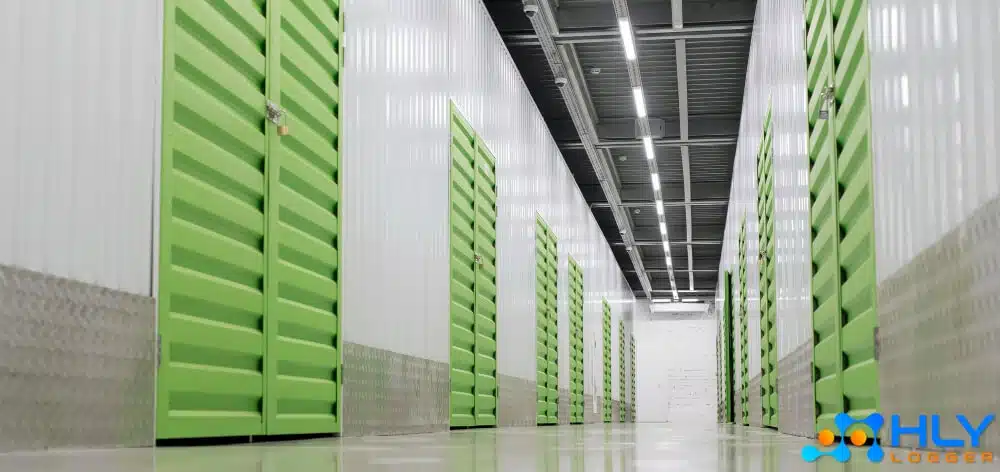
Refrigerated or frozen products are then held in controlled facilities such as cold stores or refrigerators. The temperature in each cold store is set according to the product type and its specific storage requirements.
Transportation Using Refrigerated Vehicles
Products travel in refrigerated trucks or containers fitted with cooling systems that keep the temperature stable throughout the trip. The temperature inside the vehicle is regulated and monitored continuously, often with real-time devices such as the M381 4G real-time data logger that report readings while the shipment is still on the road.
Distribution to Points of Sale
The product arrives at points of sale such as supermarkets, restaurants, or traditional markets. It is moved immediately into a refrigerator or freezer at the point of sale, where the temperature is again controlled to protect quality.
Sales to Consumers
Consumers buy the product and take it home, where it must go straight into a refrigerator or freezer to hold its quality until it is used.
Challenges in Cold Chain Food Distribution
Cold chain distribution is important, but it is also complex. Several challenges have to be managed to keep products safe and saleable from end to end. These are the ones that come up most often.
Temperature Fluctuations
Sudden temperature swings during transport or storage can damage the product. A refrigeration failure can push temperatures high enough to compromise food quality in a matter of hours.
Packaging Damage
Physical damage to packaging opens the door to contamination by bacteria or other microorganisms. Leaks can also disturb the product temperature and accelerate spoilage.
Electrical Interruptions
A power supply interruption can shut down cooling systems and raise the temperature inside storage spaces. Without a backup power source, that gap can lead to significant product loss.
Long Distribution Distances
The longer the route, the greater the risk of damage from temperature fluctuation. Traffic, delays, and bad weather all add to the challenge of keeping delivery times predictable.
High Operational Costs
Cold chain systems demand substantial upfront investment in refrigeration equipment, vehicles, and storage. On top of that, maintenance, energy, and labor keep operating costs high over time.
Complex Regulations and Standards
Strict and evolving food safety rules can raise the cost of doing business. Differences in regulation between countries or regions add another layer of complexity to international distribution.
Technology Limitations
Gaps in monitoring product temperature and condition can quietly cause quality problems. When monitoring technology fails, the whole cold chain is exposed to risk.
Climate Change
Rising global temperatures increase the risk of damage during transport and storage. Shifting weather patterns also affect distribution efficiency and push operating costs higher.
Most of these challenges map cleanly to a solution once you know where the risk sits. The table below pairs the common issues with the practical steps that address them.
| Common Challenge | Potential Impact | Practical Solution |
|---|---|---|
| Temperature fluctuations | Spoilage and safety risk | Real-time temperature monitoring with data loggers |
| Electrical interruptions | Cooling failure during storage | Backup power and continuous alerts |
| Packaging damage | Contamination and heat transfer | Insulated, vacuum, or waterproof packaging |
| Long distribution distances | Higher exposure to temperature swings | Optimized routes and route monitoring |
| Technology limitations | Blind spots in the cold chain | IoT sensors and centralized dashboards |
Solutions to Maintain Product Quality
Meeting these challenges takes careful planning, the right technology, and disciplined management. The solutions below tend to deliver the most value across a typical food cold chain.
Accurate Temperature Monitoring
Use temperature sensors and data loggers to track product temperature in real time and keep it inside a safe range. A single-use option such as the M501 disposable temperature and humidity data logger records conditions across the entire journey, which gives you a full history for analysis and tracing. Building this into a wider food cold chain monitoring setup lets you oversee temperatures at multiple points in the supply chain from one place.
“In cold chain work, the failures you never see are the ones that cost the most. Continuous temperature data turns a shipment from a guess into a record you can stand behind.”
– Jimmy, Cold Chain Technology Lead, HLY Technology Co., Limited
Reliable Refrigerated Vehicles
Choose vehicles with strong insulation to limit heat transfer during transit. Pair that with an efficient, dependable cooling system and a backup power source so a single fault does not break the cold chain.
Quality Packaging
Select packaging that protects products from both physical damage and contamination. Vacuum packaging reduces oxygen exposure and extends shelf life, insulating packaging holds temperature longer, and waterproof packaging keeps external contamination out.
Efficient Distribution Routes
Design routes that shorten transport time and reduce the window in which products can be damaged. Match the transport mode to the product and the distance, and watch traffic conditions to avoid delays that put temperature at risk.
Latest Technology
Modern tools raise the reliability of the whole process. Internet of Things (IoT) sensors monitor temperature, humidity, and product condition in real time, while blockchain can trace a product from producer to consumer for added transparency. Analyzing the data these sensors produce helps optimize the supply chain before small issues become losses. Food safety authorities such as the U.S. FDA also set clear expectations for how perishable food is handled and documented, which makes reliable records more than a nice-to-have.
Conclusion
Cold chain food distribution is a demanding system, and getting it right is what keeps food safe and sellable. To put the solutions above into practice, HLY Logger products focus on data acquisition, device tracking, and automatic control, built to be easy to use and dependable in the field. Alongside high-quality hardware, we provide comprehensive IoT solutions with OEM and ODM services for teams that need monitoring built around their own operation.
Frequently Asked Questions
What is cold chain food distribution?
It is a temperature-controlled system that keeps perishable food cold or frozen from production all the way to the consumer. The goal is to prevent bacterial growth and preserve quality, safety, and nutrition at every stage.
What is the biggest risk in cold chain distribution?
Temperature fluctuation is usually the most damaging risk, since even a short spike can compromise product safety. Power interruptions, packaging failures, and long routes all raise the odds of that fluctuation happening.
How do data loggers help maintain cold chain integrity?
Data loggers record temperature and humidity throughout the journey, so you have proof of how a shipment was handled rather than an assumption. Real-time models can send readings and alerts while goods are still in transit, which lets teams react before a small deviation turns into a full loss, while disposable loggers offer a low-cost record for one-way shipments.
This article was last reviewed and updated by the HLY Logger Editorial Team on July 8, 2026, to confirm the accuracy of its technical information and its relevance for readers.