
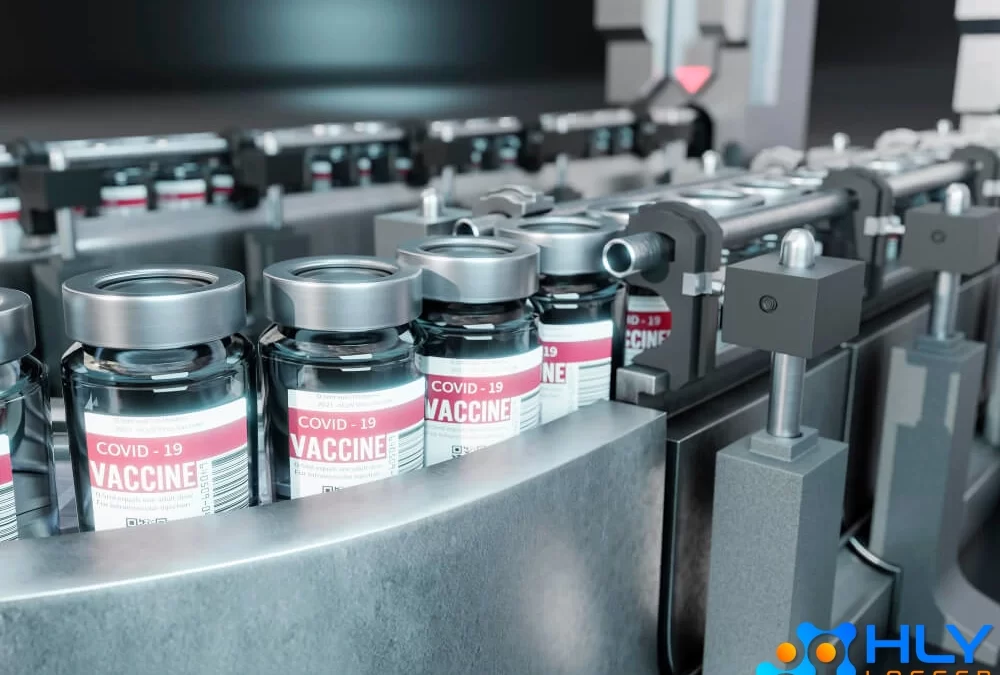

Cold chain shipping pharmaceuticals keeps the products you store and move in optimal condition, no matter which mode of transport carries them. Temperature control built into the logistics system is what lets sensitive pharmaceutical products travel safely, so they reach patients as effective, safe medicine rather than a compromised dose.
The storage and delivery range for a pharmaceutical cold chain is usually between 2°C and 8°C, though exact limits depend on the product and the regulations in each market. Typical products in this category include common cold chain drugs, certain types of insulin, vaccines, cancer treatment drugs, biologics, and gene and cell therapy products.
The process runs from the factory, laboratory, or warehouse all the way to the consumer, and a set of equipment travels with the product at every stage. Data loggers are central to that set, monitoring and recording temperature from one handoff to the next. If a deviation occurs, sensor technology flags it, the team evaluates the cause quickly, and the issue is resolved before it puts the product at risk.
So, what does a reliable pharmaceutical cold chain actually depend on? It comes down to how the product is packed and which components protect it in transit.
How Cold Chain Shipping Pharmaceuticals Works
Packaging is one of the most important stages in cold chain shipping pharmaceuticals, and the decisions made here carry a lot of weight. You have to account for the packaging container, the cooling method, and the destination, whether that is a laboratory, hospital, patient, or another healthcare facility. Building this discipline into a wider pharma cold chain monitoring program keeps those choices consistent from shipment to shipment.
When planning the packaging, a pharmaceutical cold chain team usually weighs several factors.
Ideal Temperature
Set the range before you pack. Packaging must hold an ideal temperature so the cold chain preserves the product’s efficacy, staying clear of both the upper and lower critical limits. The start of the packaging process is the right moment to define those limits, which means the storage facility manager needs to know the correct range for each product before choosing a suitable refrigerant.
Transit Time
Match the method to the journey. The packaging plan has to include a realistic transit time estimate, because an accurate estimate keeps storage and transport safe. Some vaccines and medicines can only stay in transit overnight due to their characteristics, so the packaging team must adjust the method to the length of the trip to keep the product inside its safe range the whole way.
Cost Utilization
Budget for the full lifecycle, not just procurement. The team has to calculate the cost of procuring, returning, and disposing of packaging materials against the actual shipping need. Miscalculations happen, and they can leave a company paying more to return packaging than it spent to buy it in the first place.
Load Size
Insulation scales with the load. Once the team knows the load size, they can pack the product in the right type of insulated container. A heavier load calls for higher insulation performance and stronger construction so the packaging stays safe and pressure-resistant during transport.
“In pharmaceutical shipping, a temperature excursion is not just a quality issue, it is a patient safety issue. That is why we treat the data logger as core equipment, not an accessory. The record it produces is what lets a team release or reject a shipment with confidence.”
– Jimmy, Cold Chain Technology Lead, HLY Technology Co., Limited
Important Components in Cold Chain Shipping Pharmaceuticals
Protecting products in transit comes down to three working parts: insulated containers set to a target temperature, refrigerants matched to that temperature, and monitoring devices that confirm the range is holding.
Insulated Containers
Insulated containers are essential for products that are vulnerable to temperature and humidity, since they create a stable environment that holds off any rise in external temperature. A container of this kind combines outer packaging, protective packaging, and insulation materials, and each laboratory or warehouse sets its own specifications based on the products it handles.
Refrigerant Selection
Refrigerants keep the internal temperature of the packaging stable, and the common options each suit a different target range. The most familiar forms on the market are PCM (Phase Change Materials), gel packs, ice packs, and dry ice, all of which work inside an insulated container to hold a frozen, chilled, or controlled room temperature. The table below gives a general guide, though the right choice always depends on the product and its validated requirements.
| Refrigerant Type | Approximate Target | Common Use Case |
|---|---|---|
| PCM (Phase Change Materials) | Engineered setpoints, e.g. around 5°C or -20°C | Precise control for tight 2 to 8°C or frozen shipments |
| Gel Pack | Around 2°C to 8°C when conditioned | Chilled pharmaceuticals over short to medium routes |
| Ice Pack | Around 0°C | Chilled or short frozen shipments |
| Dry Ice | Approximately -78°C | Deep-frozen products and certain vaccines |
Figures above are approximate and can change with the packaging system and ambient conditions, so treat them as a starting point rather than a fixed rule.
Temperature Monitoring Devices
A rise in temperature can render pharmaceutical products toxic, damaged, or useless, which is why monitoring devices such as data loggers matter so much. They let a pharmaceutical cold chain team watch temperature consistently and prove the range was held from origin to destination.
You can match the device to the shipment. A reusable USB unit like the M502-TH reusable temperature data logger suits repeat routes, while real-time models such as the M371 3G and M381 4G real-time data loggers report readings and alerts while the shipment is still moving. Whichever you choose, the device gives you accurate report data and the temperature history your quality team needs to make a release decision.
For teams that need dependable temperature monitoring across pharmaceutical and other industries, HLY Technology Co., Limited manufactures almost every type of data logger a cold chain requires. Reliable hardware supports reliable products, and that is what keeps customer trust rising year after year. If you are building or upgrading a pharmaceutical cold chain, we are ready to help you get the monitoring right from the first shipment.
This article was last reviewed and updated by the HLY Logger Editorial Team on July 8, 2026, to keep its technical guidance accurate and useful for readers.